Valentines Day Digital Paper Background: A Practical Guide for Creators
For designers, small business owners, and hobbyists preparing for the February rush, selecting the right visual assets is a critical step in the creative workflow. The Valentines Day Digital Paper Background has emerged as a versatile resource for those needing high-resolution textures that convey romance and celebration without the time investment of creating them from scratch. Unlike generic stock photos or low-resolution clip art, a dedicated digital paper background offers a seamless, patterned surface that serves as a foundational element for various design projects. This guide evaluates the utility, technical specifications, and appropriate use cases for this specific asset type to help you determine if it fits your current production needs.
Understanding the Core Value of Digital Paper Textures
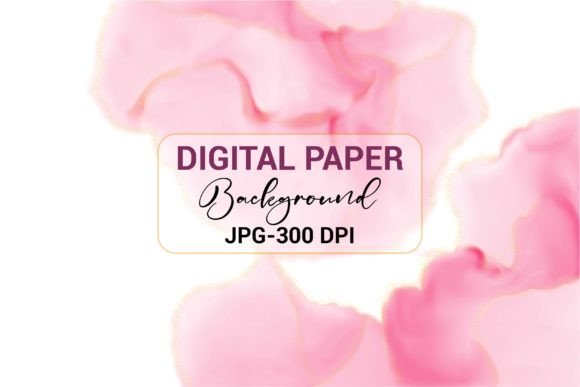
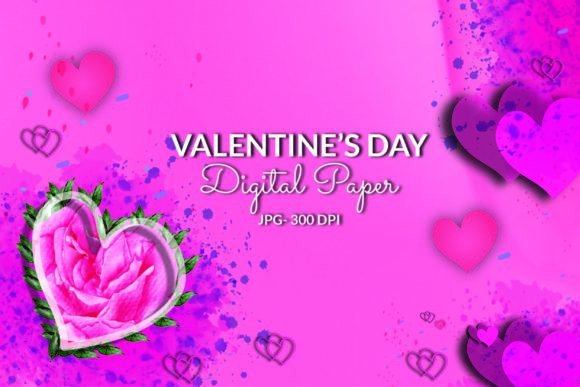
A Valentines Day Digital Paper Background is distinct from standard imagery because it functions as a texture rather than a focal point. In graphic design, the difference between a "photo" and a "paper background" lies in how the eye interacts with the image. A photo draws attention to a specific subject, whereas a paper background provides a consistent, non-distracting canvas that allows text, stickers, or other graphical elements to stand out. These backgrounds typically feature repeating patterns involving hearts, roses, cupids, or abstract romantic motifs rendered in soft pastels or bold reds.
The primary advantage of using a specialized digital paper background is consistency. When designing a series of products—such as a set of greeting cards or a collection of social media posts—maintaining a uniform aesthetic is essential for brand recognition. Creating these textures manually requires significant time in vector software or raster editing tools. By utilizing a pre-designed background, creators can bypass the tedious process of pattern generation and focus on composition and layout. However, it is important to recognize that while these assets save time, they do offer less customization than starting from a blank slate. If your project requires a unique, one-of-a-kind pattern that no one else has seen, a stock digital paper may not be the ideal solution.
Evaluating Technical Specifications: Resolution and Format
When comparing digital assets, technical specifications are often the deciding factor between a usable product and a disappointment. The Valentines Day Digital Paper Background described here comes with specific parameters that define its range of application. It is provided at a resolution of 300 dpi (dots per inch) with dimensions of 1200 x 800 pixels. Understanding what these numbers mean for your workflow is crucial for making an informed decision.
The 300 dpi standard is the industry benchmark for print quality. This ensures that when the background is used for physical items like coffee mugs, book covers, or printed invitations, the image remains sharp and free of pixelation. Many free resources found online are limited to 72 dpi, which is acceptable for screen viewing but results in blurry, jagged edges when printed. Therefore, if your primary goal is print-on-demand services or professional stationery, this high-resolution requirement makes the asset a strong contender compared to lower-quality alternatives.
However, the dimension of 1200 x 800 pixels presents a trade-off. While sufficient for many applications, this size is relatively modest by modern standards. For large-format printing, such as banners or posters, this resolution might require scaling up, which could compromise clarity even at 300 dpi. Conversely, for web backgrounds, mobile wallpapers, and social media graphics, these dimensions are more than adequate. The file is delivered as a high-quality JPEG within a ZIP folder, ensuring easy extraction and immediate compatibility with most design software. This format choice balances file size with quality, making it efficient for download and storage without the complexity of layered PSD files.
Comparing Use Cases: Where This Asset Fits Best
The versatility of the Valentines Day Digital Paper Background extends across multiple mediums, but its effectiveness varies depending on the specific application. Below is an evaluation of where this resource performs optimally versus where alternative solutions might be preferable.
- Book Covers and KDP Interiors: For self-publishers using platforms like Amazon KDP, a consistent background is vital. The 300 dpi resolution ensures that interior pages or cover designs look professional. However, authors must ensure the pattern does not interfere with text readability. In this context, the background acts as a subtle enhancer rather than a dominant feature.
- Social Media Posts and Web Backgrounds: Digital-first projects benefit significantly from the JPEG format. The 1200 x 800 px size is easily adaptable for Instagram stories, Facebook headers, or blog post featured images. Compared to heavy, layered files, this lightweight option loads quickly and integrates seamlessly into content management systems.
- Mobile Covers and Wallpapers: With the rise of custom phone case printing, digital papers are in high demand. The resolution supports crisp printing on curved surfaces. Yet, users should consider aspect ratios; a 1200 x 800 image may need cropping to fit taller smartphone screens, potentially cutting off parts of the pattern.
- Stickers and Greeting Cards: These small-scale items are ideal for this asset. The high detail at 300 dpi ensures that fine lines in heart shapes or floral elements remain distinct even when cut down to sticker size.
- Party Decorations and Invitations: For DIY party planners, this background serves as a reliable base for printable decorations. The ability to use the file in MS Word or PowerPoint simplifies the creation of personalized invites without needing advanced design skills.
Integration Tools and Workflow Efficiency
One of the strongest arguments for choosing this specific Valentines Day Digital Paper Background is its compatibility with common design tools. The inclusion of a JPEG file means it can be imported directly into Canva, MS Word, MS PowerPoint, and similar applications. This accessibility lowers the barrier to entry for non-designers who still wish to produce professional-looking materials.
In comparison, some premium design resources are locked into proprietary formats like .AI or .EPS, requiring expensive software like Adobe Illustrator to edit. While those formats offer greater flexibility for vector manipulation, they are often unnecessary for simple background tasks. If your workflow relies on drag-and-drop interfaces or office suites, the JPEG format of this digital paper is a pragmatic choice. It streamlines the process: download, unzip, insert, and resize. This efficiency is particularly valuable during peak seasons like Valentine's Day, where turnaround times are short and volume is high.
However, users should be aware of the limitations inherent in raster formats like JPEG. Unlike vector files, you cannot infinitely scale the image without losing quality, nor can you easily change the color of individual elements within the pattern. If your project requires rebranding the background to match a specific corporate color palette, a vector-based alternative would be superior. For general use where the original color scheme fits the theme, the JPEG format offers a perfect balance of ease and quality.
Decision Factors: When to Choose Alternatives
While the Valentines Day Digital Paper Background is a robust tool for many scenarios, it is not a universal solution. Evaluating your specific needs against the asset's features will prevent wasted effort. You might consider an alternative approach if:
- You need large-format prints: If you are producing billboards or large banners, the 1200 x 800 px dimensions may result in pixelation. In such cases, seeking a vector-based background or a higher-resolution raster file (e.g., 4000+ pixels wide) is advisable.
- Customization is paramount: If you require the ability to tweak the pattern, move individual hearts, or alter the color scheme dynamically, a static JPEG will not suffice. Vector illustrations or editable template files would provide the necessary control.
- Uniqueness is the priority: Stock digital papers, by nature, are available to others. If your brand strategy relies on exclusive visuals that competitors cannot replicate, commissioning a custom illustration or creating a unique pattern from scratch is the better route.
Conversely, this asset is the right choice when speed, cost-effectiveness, and print-ready quality are the primary drivers. It bridges the gap between amateur attempts and professional output, offering a polished look that enhances the overall presentation of your work. Whether you are crafting a simple invitation in Word or designing a complex layout in Canva, the high-quality 300 dpi JPEG provides a reliable foundation.
Final Considerations for Your Project
Selecting the right digital asset is about aligning technical capabilities with creative goals. The Valentines Day Digital Paper Background offers a practical solution for adults aged 20–50 who are navigating the intersection of creativity and efficiency. Its strength lies in its readiness for both digital and print applications, supported by a resolution that meets professional standards. By understanding its dimensions, format, and best-fit scenarios, you can leverage this resource to enhance your book covers, web designs, merchandise, and party materials effectively.
Ultimately, the value of any design resource is measured by how well it serves the final product. If your objective is to produce high-quality, thematic content for Valentine's Day without getting bogged down in the technicalities of pattern creation, this digital paper background represents a sound investment of time and resources. For those seeking further expansion of their design toolkit, exploring related resources such as KDP interiors, T-shirt designs, and custom brushes can complement this background to create a cohesive and comprehensive visual identity.